Career counselling
Explore interests, strengths and potential professions through reflective conversations. Connect possible careers with degree subjects and the qualifications they require.
A strong university application begins long before a form is submitted. Our planned guidance connects academic choices, career exploration and a purposeful record of achievement.
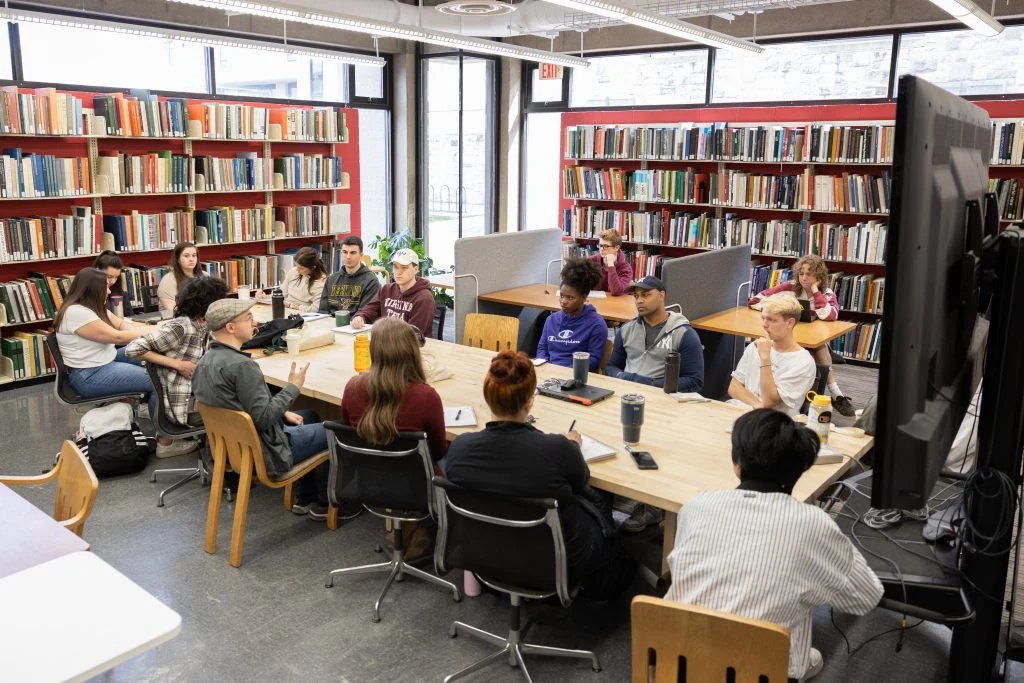
Career counselling and university preparation are planned as part of the student experience.
Explore interests, strengths and potential professions through reflective conversations. Connect possible careers with degree subjects and the qualifications they require.
Compare national and international options by academic fit, entry requirements, language, costs, location and available funding. Build a balanced shortlist rather than relying on a single destination.
Plan deadlines, personal statements or motivation letters, references and interview preparation. Students remain responsible for accurate applications and each university’s requirements.
The planned student portfolio is a curated record of learning and growth. It supports reflection and can help students identify evidence for applications where relevant; it does not replace required qualifications or admissions tests.
Selected essays, problem-solving, laboratory work and feedback showing progress.
A Year 1 inquiry portfolio and a supervised Year 2 project with sources, analysis and an oral defence.
An honest record of projects, activities, service or leadership, with the student’s own contribution clearly explained.
A developing account of strengths, lessons learned and goals for further study.
The proposed national curriculum remains the academic foundation. Supplementary languages, research and international examination preparation are intended to broaden the routes students can investigate.
Counselling can help students track current admissions requirements, relevant subjects, entrance examinations and recognised certificates for each institution.
Students can compare qualification recognition, subject prerequisites, language evidence, application calendars, funding and visa requirements. Requirements differ by university and country.
Students enrolled in higher education at the start of 2025/26. Use this national picture alongside course requirements, language and costs when building a university shortlist.
Review strengths, choose subjects thoughtfully, begin career conversations, start the portfolio and develop a first university shortlist.
Complete the research project, review entry requirements, prepare relevant examinations and organise application materials and deadlines.
Compare actual offers, conditions, costs and funding with family and advisers. Admission and scholarships are decided by the receiving institutions.